¶ Printing difficulty from easiest to most difficult
PLA<PETG<TPU<ASA<ABS<PC
¶ PLA (Entry Level)
Degree of difficulty: ★☆☆☆☆
PLA (polylactic acid) has a low shrinkage rate and minimal warping. It also has the highest success rate due to its minimal printing environment specifications requirements.
¶ PETG (Mid Level)
Degree of difficulty: ★★☆☆☆
PETG, polyethylene terephthalate glycol, can absorb moisture faster. This may cause filament stringing and excessive adhesion to the heated bed. It is slightly more challenging to print than PLA, but still relatively easy.
¶ TPU (Special filament with high flexibility)
Degree of difficulty: ★★★☆☆
TPU, thermoplastic polyurethane,is prone to slip at the extruder gear, which can result in the clogged nozzle during printing. As a result, it is necessary to set a slower print speed and use a direct-drive extruder.
¶ ASA / ABS (Advanced Level)
Degree of difficulty: ★★★★☆
ASA, acrylonitrile styrene acrylate, and ABS, acrylonitrile butadiene styrene, have a high thermal shrinkage rate. When exposed to cold air during printing, they can warp severely or develop interlayer cracks. Additionally, the two types of filament emit a noticeable odour during printing. Consequently, they must be used with sealing equipment.
¶ PC (Expert Level)
PC, polycarbonate, has an exceptionally high melting point and extremely strong shrinkage stress. When printing, the nozzle must reach around 300 ℃ and the sealing environment must be actively heated.
¶ Odour: From Mild to Noticeable
PLA < PETG < TPU < PC < ASA < ABS
PLA: It has the lightest odour, almost odourless, with a faint sweetness.
PETG: It has a slight plastic odour.
TPU: It has a noticeable odour.
PC: It has a slightly pungent odour.
ASA: It has a strong plastic odour similar to that of ABS, but slightly less noticeable.
ABS: It has the strongest odour and a pungent styrene smell. Good ventilation is necessary and the printer must be fitted with an enclosure for warmth.
¶ Filament Selection Based on Situation
¶ PLA
Anime figures, architectural model, prototype model and teaching aids.
¶ PETG
Functional components, such as mechanical brackets, transparent
containers, tool handles, and drone components.
¶ TPU
Flexible components such as mobile phone cases, insoles, sealing rings,
shock-absorbing pads, toys, wristbands, and wearable devices.
¶ ASA
Components exposed to prolonged outdoor conditions, UV-resistant. For
example, garden ornaments, automotive exterior trim, road signs, and
drone housings.
¶ ABS
Functional prototypes that require post-processing. For instance,
LEGO-style building blocks, tool housings, automotive interior
components, etc.
¶ PC
High-strength engineering components, such as protective covers,
luminaire housings, and mechanical tools.
¶ Reasons Why PLA is the Perfect Filament for Beginners
If you are a beginner in 3D printing, then PLA is an optimal choice for you due to its ease of use, high success rate and odourlessness. You can also start printing quickly as no complex equipment or fine-tuning is required.
-
PLA has minimal requirements with regard to temperature and the environment, so it is less likely to warping and failure. You can produce complete, aesthetically pleasing models with PLA, even if it's your first time using a 3D printer.
-
PLA boasts various colours and a smooth surface, making it ideal for printing models, ornaments, educational specimens and design prototypes.
Put simply, PLA allows you to concentrate on learning 3D printing rather than dealing with repeated failures.
Once you have truly mastered the printing process, experimenting with other filaments becomes much easier.
¶ Features of PLA Series
¶ PLA
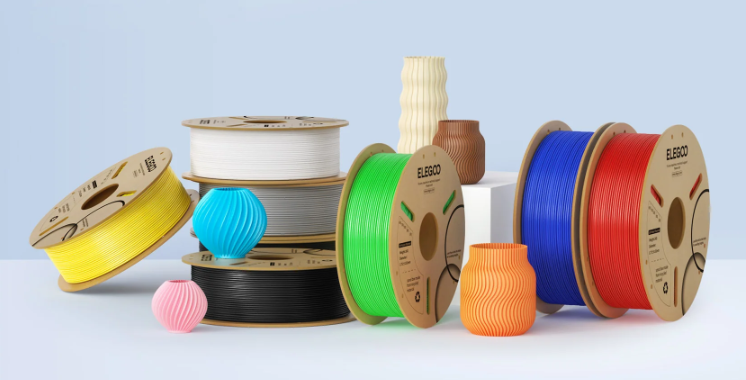
PLA is rich in colour and beginner-friendly.
¶ PLA Plus (PLA +)
PLA Plus has greater toughness.
¶ PLA Silk
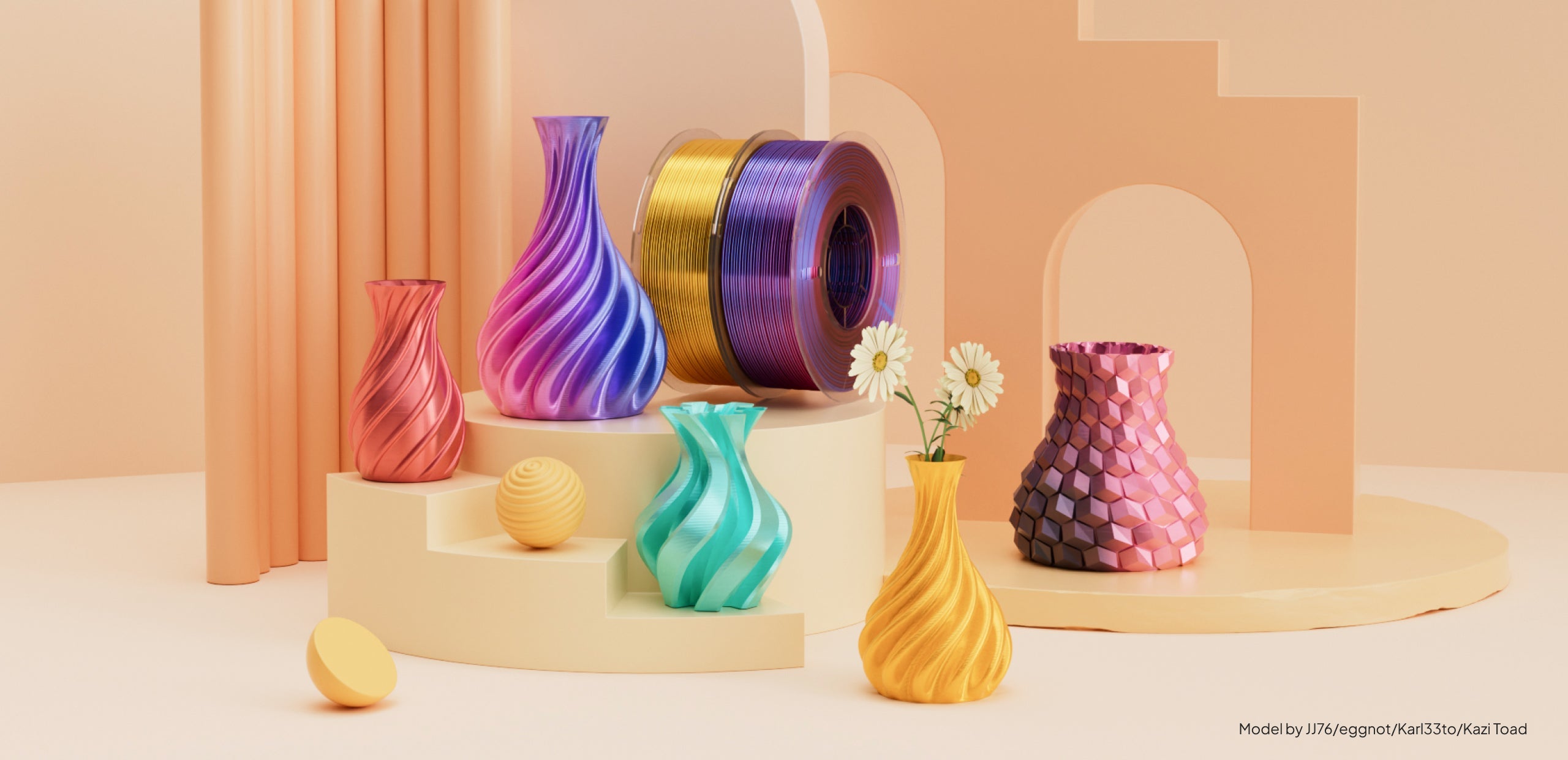
Models printed with PLA Silk feature a smooth surface with a silky sheen and reflective finish, presenting a visually appealing appearance.
¶ PLA-CF
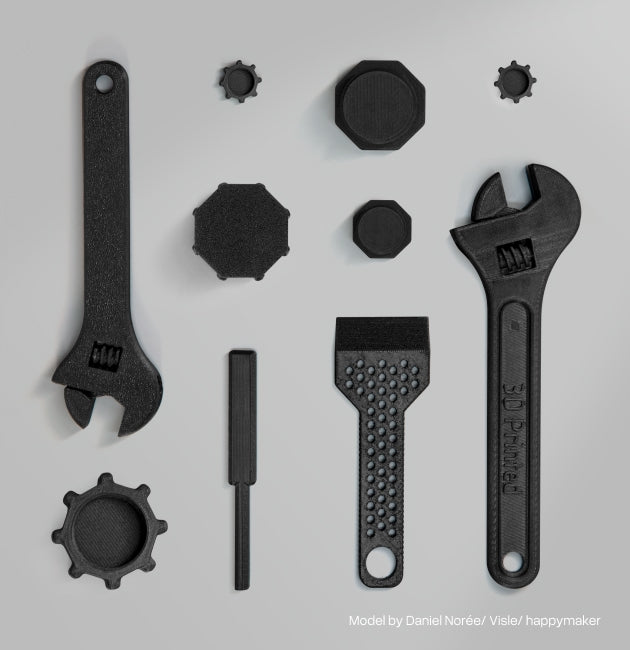
Due to the infusion of carbon fibers, PLA-CF is significantly stronger in stiffness, hardness, as well as bending strength and modulus compared with PLA.
Note:
-
As PLA-CF is abrasive, it should be printed with a hardened steel
nozzle. -
PLA-CF is not compatible with 0.2 mm nozzles for printing.
¶ Rapid PLA Plus
Rapid PLA Plus melts and cools more quickly, which makes it suitable for high-speed printing (print speed < 600 mm/s).
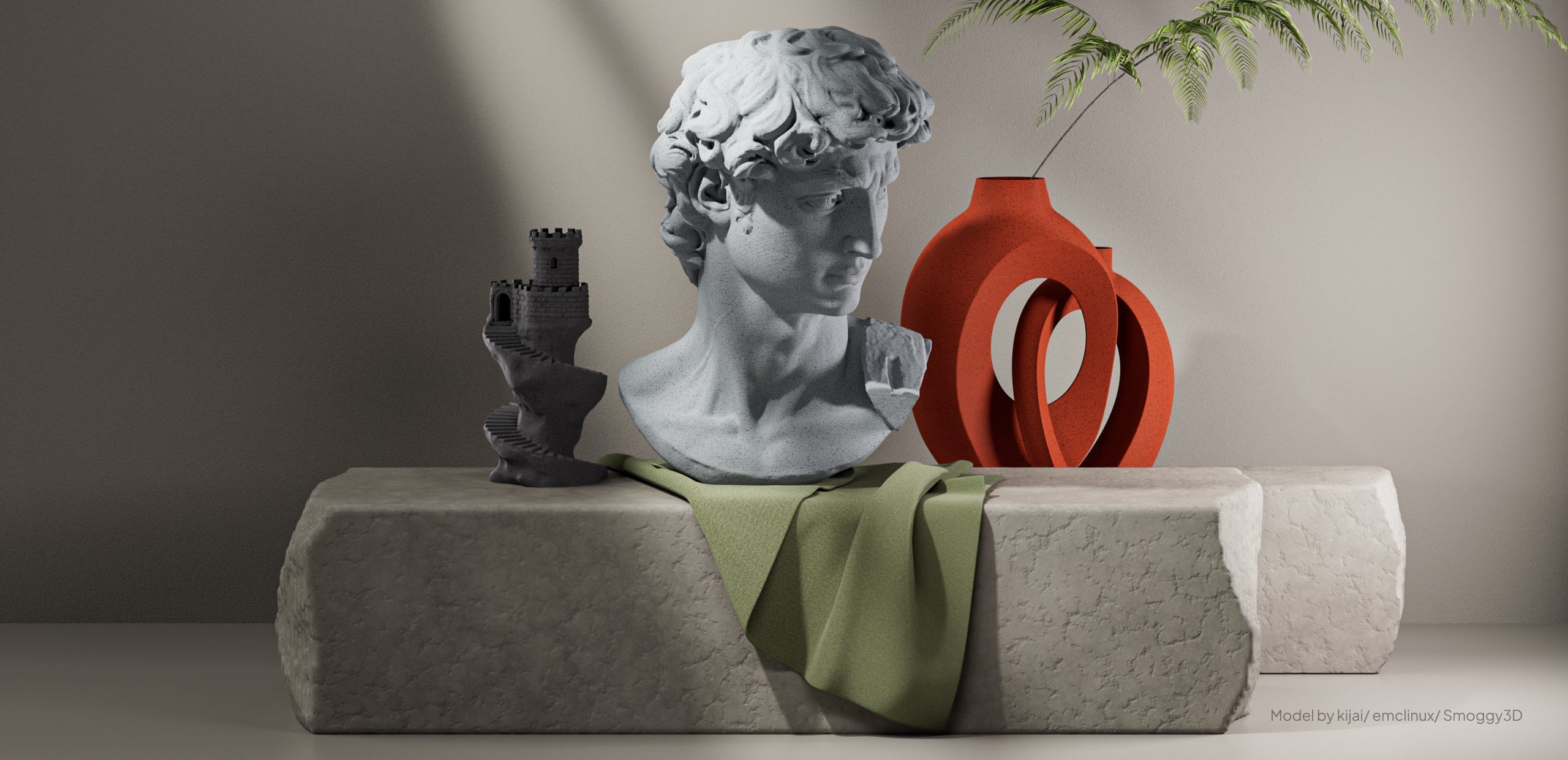
¶ PLA Marble Series
The surface the models printed with PLA Marble will exhibit a marble-like texture.
Note: PLA Marble filled does not support the 0.2 mm nozzle.
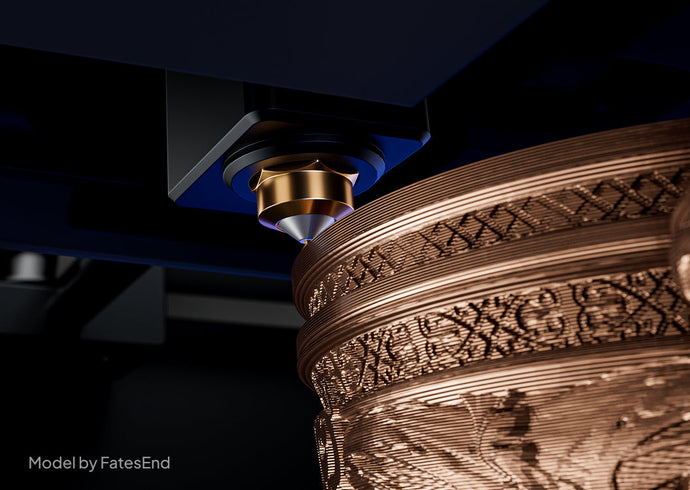
¶ PLA Metalic
The surface of the models printed with PLA Metalic will exhibit a metallic finish.
Note: PLA Metallic does not support the 0.2 mm nozzle.
¶ PLA Pro
PLA Pro has increased rigidity and hardness.
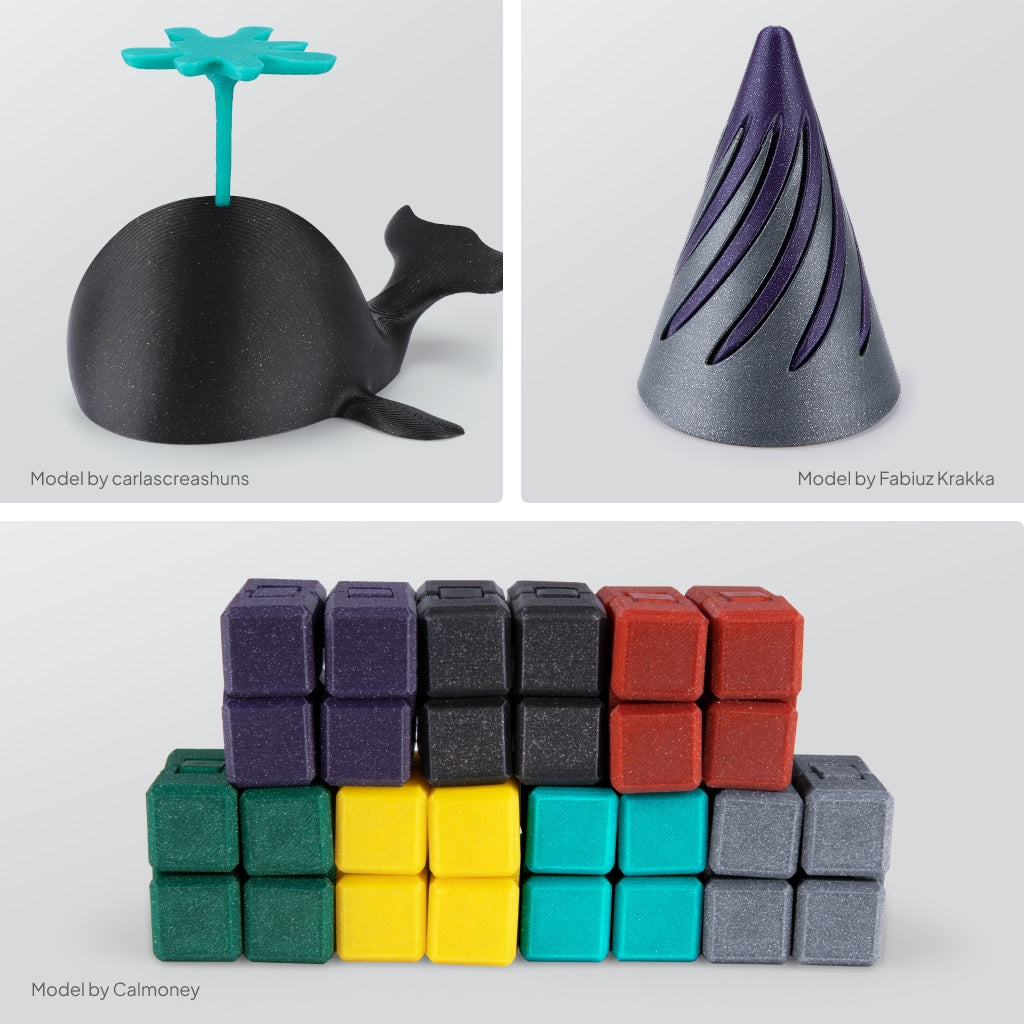
¶ PLA Sparkle
Models printed with PLA Sparkle have dazzling sparkle effect with stunning visual appeal.
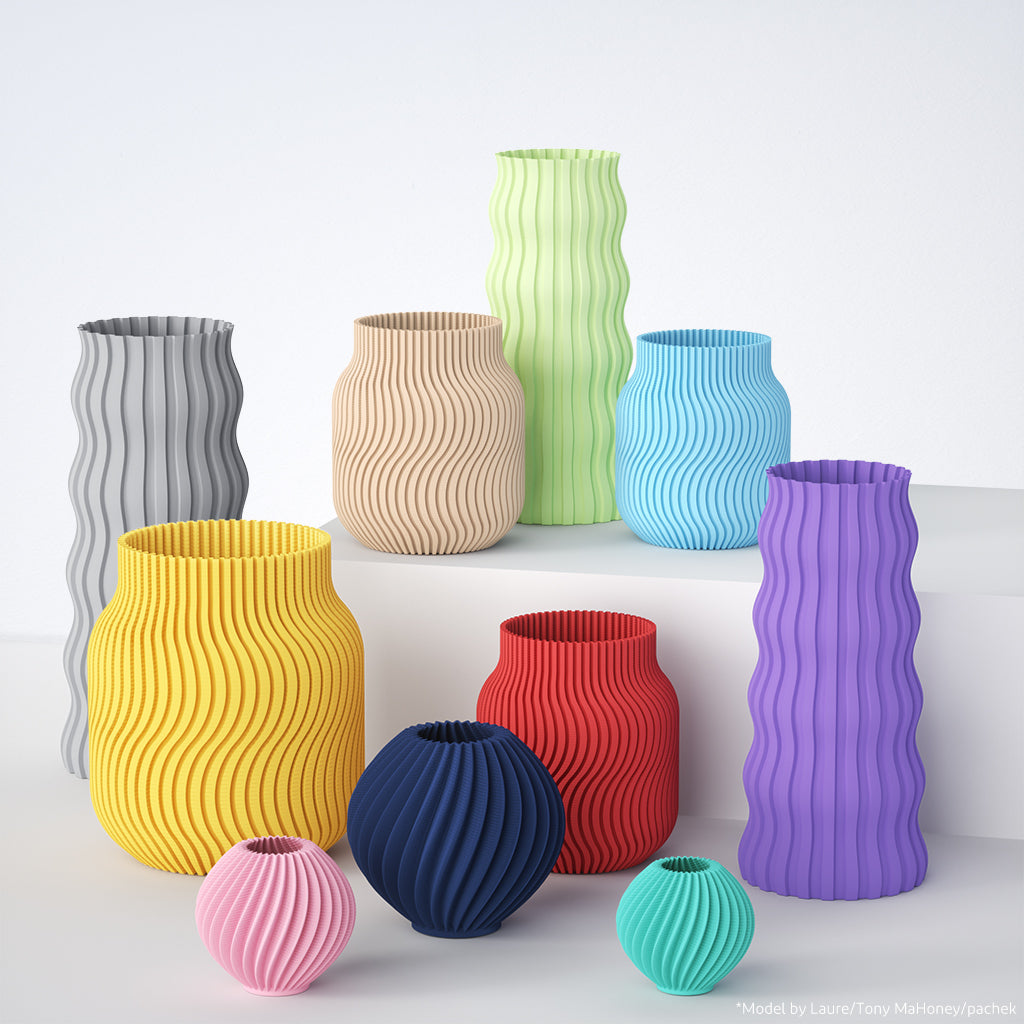
¶ PLA Matte
Models printed with PLA Matte have a matte finish. PLA Matte is ideal for models that require a low-reflective, matte texture.
¶ PLA Basic
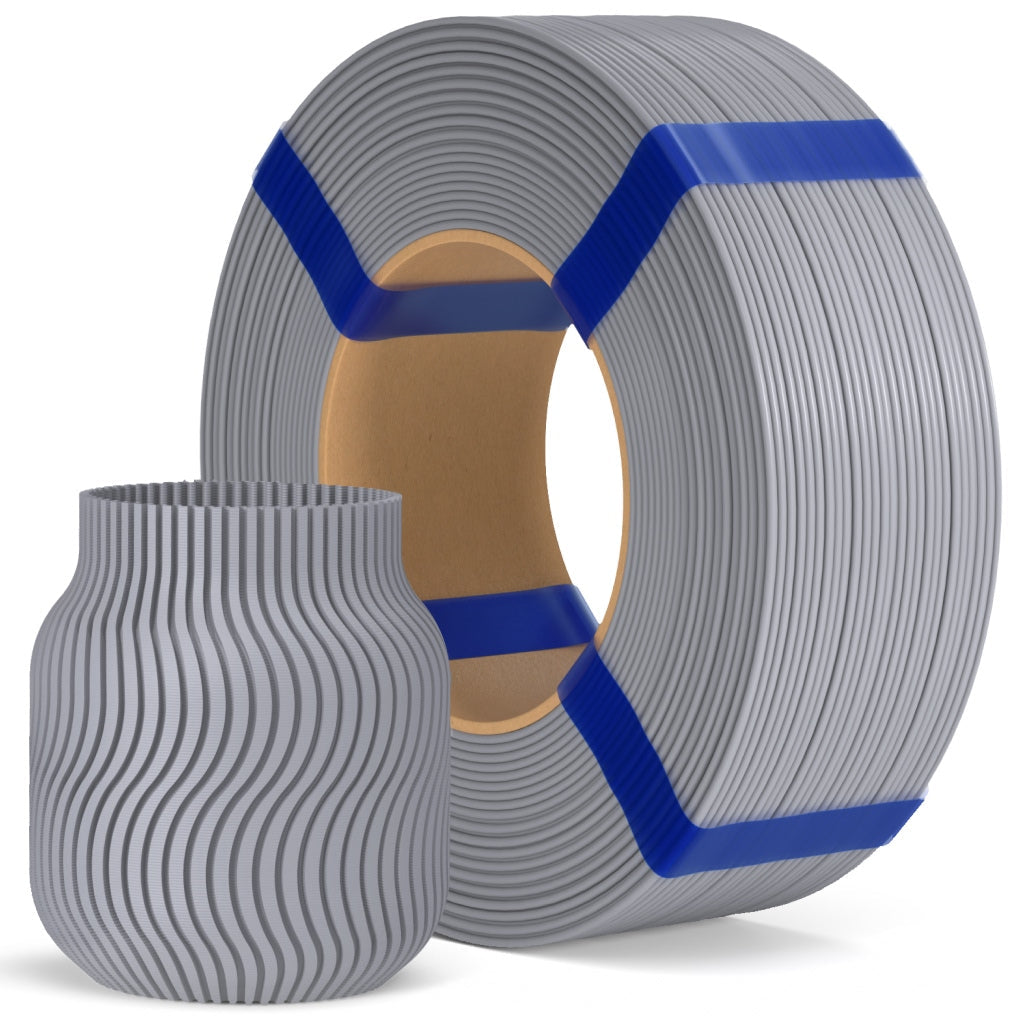
The PLA Basic is compatible with reusable and detachable spools.
¶ PLA Wood/PLA Wood Infill
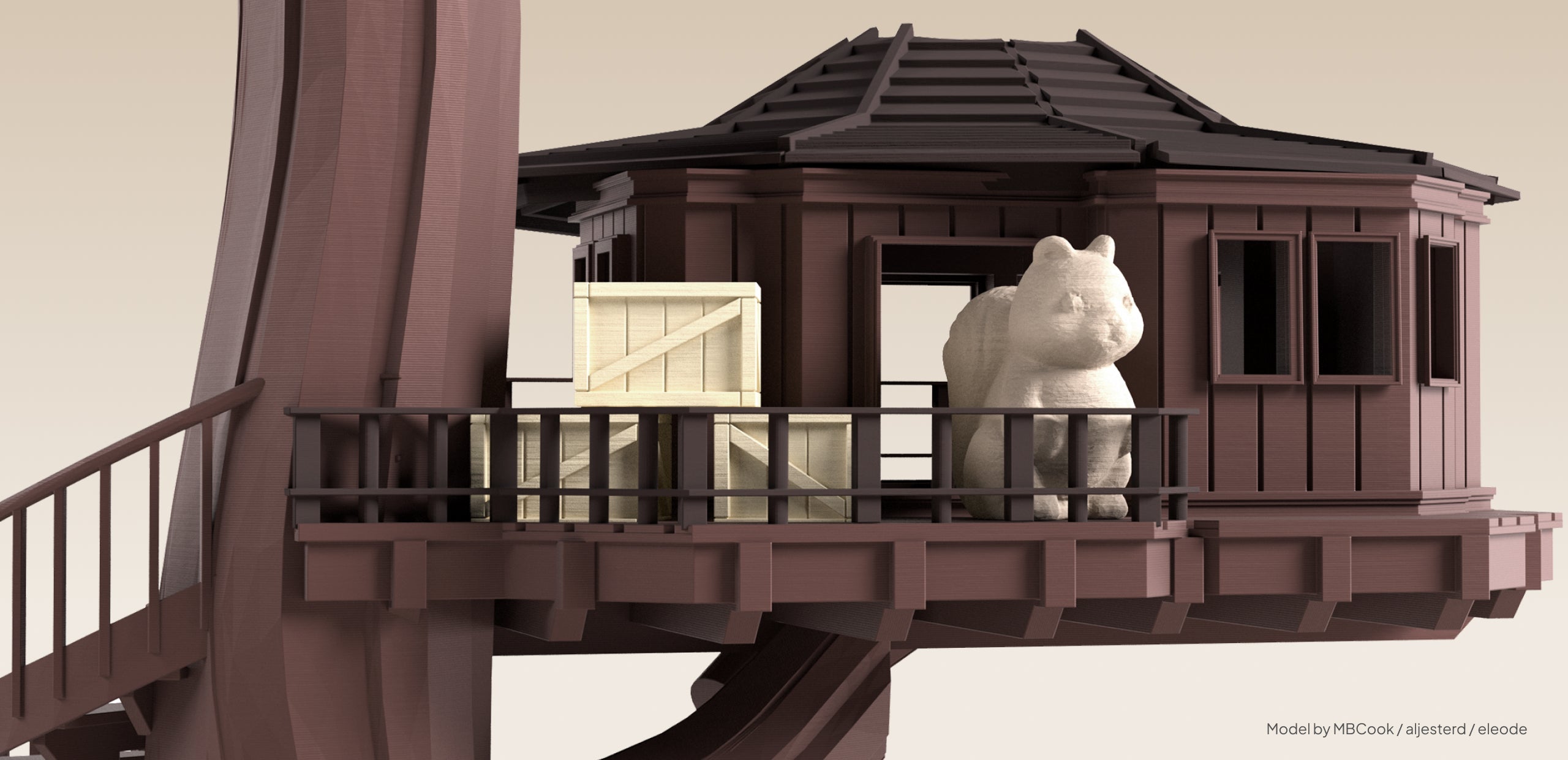
The printed Models printed with PLA wood or PLA wood infill exhibits a wood-like texture on its surface.
Note: It is not recommended for PLA wood infill printing with a 0.2 mm nozzle.
¶ Is It Necessary to Dry the Filaments Before Use?
Most FDM filaments are hygroscopic and tend to absorb moisture from the air. During printing, the moisture vapourises, leading to issues such as bubbles, stringing, poor layer adhesion, a rough surface finish, increased brittleness and even nozzle clogging.
Although the newly opened filaments is typically dry, after exposuring to humid conditions for several days or months, it requires drying.
To achieve optimal print quality, it is recommended to dry the filament before printing.
¶ Recommended Drying Parameters
| Filament Type | Drying Before Use | Temperature | Time Length | Enclosed Dryer |
|---|---|---|---|---|
| PLA Series | Recommended | 55 ± 5 °C | 6 h | Not Required |
| PETG Series | Recommended | 60 ± 5°C | 8 - 10 h | Not Required |
| TPU | Required | 70 ± 5 °C | 6 -10 h | Not Required |
| ASA | Recommended | 70 ± 5 °C | 4 - 8 h | Required |
| ABS | Recommended | 70 ± 5 °C | 4 - 6 h | Required |
| PC | Required | 80 ± 5 °C | 6 - 12 h | Required |
¶ Long-Term Storage for Filament
¶ Store the filament in its original packaging bag
-
Keep the filament in their original plastic packaging with the desiccant.
-
When not in use, place the filament and desiccant into the original packaging together.
-
Secure the opening with a clip.
-
Store the filaments in a dry place and make sure they are away from direct sunlight.
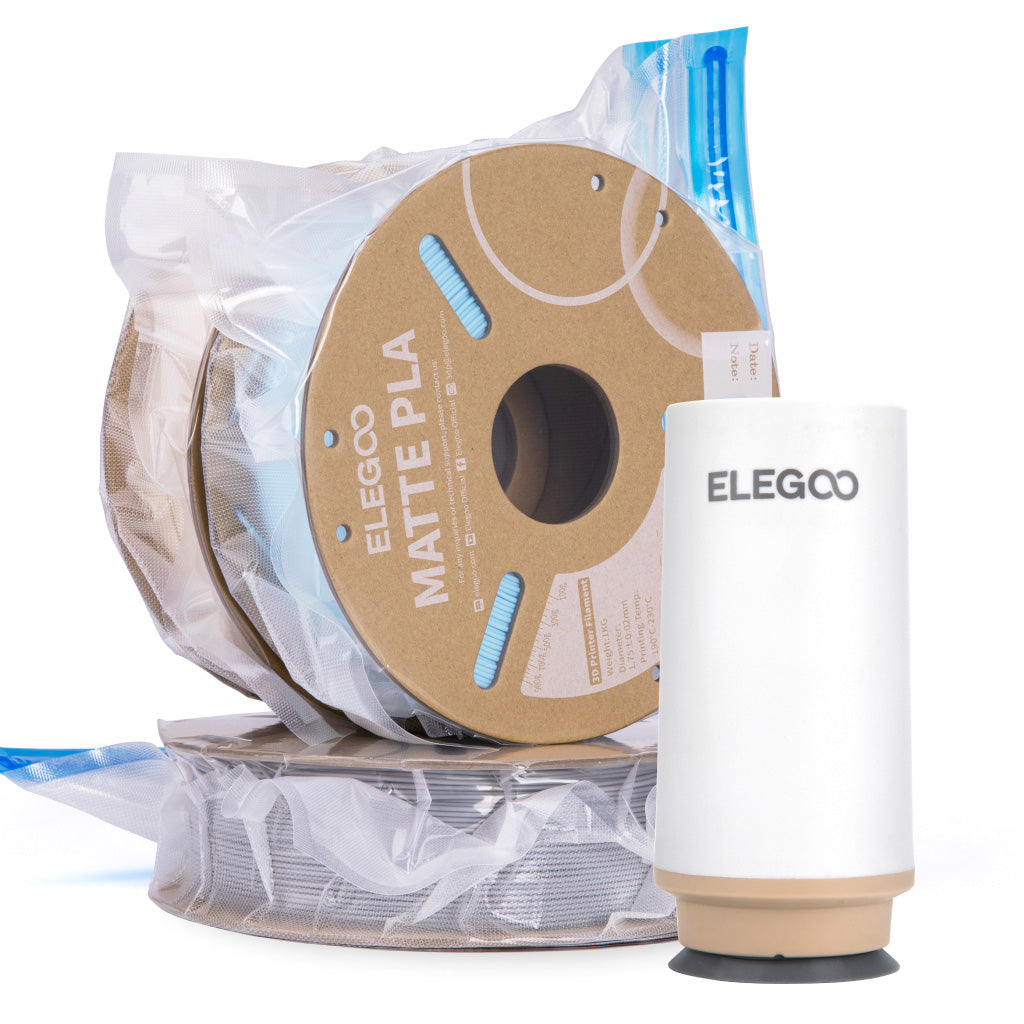
¶ Seal the filament with the vacuum storage bag kit
-
Place the desiccant and filament in the vacuum bag together.
-
Position the pump over the vent and extract the air.
-
Once complete, smooth down the vent.
-
Store the filament in a dry place and make sure it is away from direct sunlight.